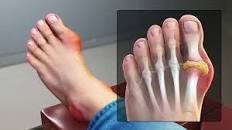
Gout
USD Gout onwards
A gout is a form of arthritis. It is also the most common form of inflammatory arthritis. It causes inflammation in one joint due to the build-up of uric acid in a joint.
Gout starts suddenly. You will feel a lot of swelling and pain in your foot joints, especially your big toe. Some very severe cases of gout can affect several joints at once. It is known as polyarticular gout.
Gout attacks always start in the big toe, and from there, it becomes more chronic and progressive. In women, gout tends to occur after menopause usually.
What causes Gout?
The root cause of gout is high levels of uric acid in your body. Uric acid is a natural substance your body produces from eating foods that contain purines. Your kidneys are the organs that remove this acid from the blood. The acid then filters it out from the body through your urine. In the case of gout, excess uric acid builds up in your joints and forms needle-like crystals. It causes the pain and swelling in your feet. Certain conditions like blood and metabolism disorders or dehydration result in your body producing excess uric acid. Inherited disorders or kidney and thyroid problems make it harder for your body to get rid of the excess uric acid.
What are the risk factors of gout?
Certain factors increase your risk of developing gout. These include:
Diet - Eating a diet rich in meat and high in sugar will increase your chances of gout. Drinking alcohol is also another risk factor.
Family history of gout - Have relatives that suffer from gout will make you more likely to develop the disease.
Medications - Taking medications such as diuretics and cyclosporine can increase your uric levels.
Gender - Gout primarily occurs in men than women as women tend to have lower uric acid levels in their bodies. Although, after menopause, women are at a higher risk of having gout. Men develop gout at around the ages of 30 and 50.
Obesity - People who are overweight have higher levels of uric acid, which will lead to gout.
Medical conditions such as high blood pressure, kidney disease, thyroid disease, sleep apnea, or diabetes are contributing factors to gout.
What are the symptoms of gout?
There are definite signs and symptoms of gout that always occur suddenly and sometimes at night. These are:
A warm feeling in the joint
Intense joint pain - Gout will affect joints in your toes, ankles, knees, elbows, wrists, and fingers. The pain is quite severe for the first few hours.
Swollen joints - There may be inflammation and redness in joints.
Limited range of motion - You will not be able to move your joints normally.
How do you diagnose gout?
The symptoms of gout are quite similar to the symptoms of arthritis or joint infections. Your doctor will look for three main factors. These are:
The description and severity of your joint pain
How swollen and red the area is
How often you have experienced pain in your joints
You may also have to give a few tests to check for the level of uric acid in your body. A sample of fluid from your joint will show how much uric acid is present. The doctor may also take an X-ray of your joint to inspect it further.
Ayurveda and Gout
Ayurveda is a holistic medicine system from India. It is probably the oldest medical system that is in practice today. It has been there since the Vedic time, which was more than 5000 years ago.
The old texts of Ayurveda have details about the various diseases that affect us during our life. It also advises on the treatment for these conditions.
The fundamental principle in Ayurveda is that we all have three doshas or energy forces within us. These doshas, Vata, Pitta, and Kapha, need to be in balance for you to be healthy. If not, you will have diseases.
In Ayurveda, 'Vata-Rakta Roga' is the name for gout. It gets classified as a Vata disorder. Disturbed Vata combines with impure blood, which then travels to all parts of the body through the blood vessels. It starts accumulating in the joints, causing pain and swelling.
Ayurveda lists a few factors which cause gout. These are
Incompatible food like eating dairy products and meat together
Diet with food that is salty, sour, uncooked, alkaline
Stress
Eating before the digestion of the previous meal.
Sleeping during daytime
People who do not walk much
Ayurvedic treatment for gout
The main goals of treatment are to:
Reduce inflammation in your joints
Prevent the build-up of uric acid
If untreated, gout can damage your joints and can also lead to arthritis in some cases. It will cause chronic pain and limit mobility.
The main treatment methods used in Ayurveda for gout are
Podikizhi and Ilakizhi - which are massages using herbal powders and herbal leaves
Dhara - which is pouring medicated oil on the affected area
Kizhi - massages using medicated rice bag s
Ksheeravasthi - enema using medicated milk
Your doctor will determine the right treatment plan for you based on your condition and state. It is mandatory to consult your treating doctor and take advice. In most cases, a 21-day treatment in the hospital will give you excellent results.
Diet control is an integral part of the treatment. Your food during this time will be as per the doctor's advice. You will have to maintain a healthy diet after the treatment for you to have the maximum benefit
Other treatments for gout
Some medicines will help relieve the pain like
Corticosteroids
Colchicine
Nonsteroidal anti-inflammatory drugs
These medicines can lead to some serious side effects as well. So, it is mandatory to have a good discussion with your doctor about them before you start.
You will also have to make some lifestyle changes. Maintaining a healthy weight by participating in regular physical activity can prevent gout attacks. You should eat a healthy diet which is rich with vegetables and whole grains. You should minimize eating purine-rich foods such as red meat, alcohol, seafood, and sugary beverages
